





La visión general
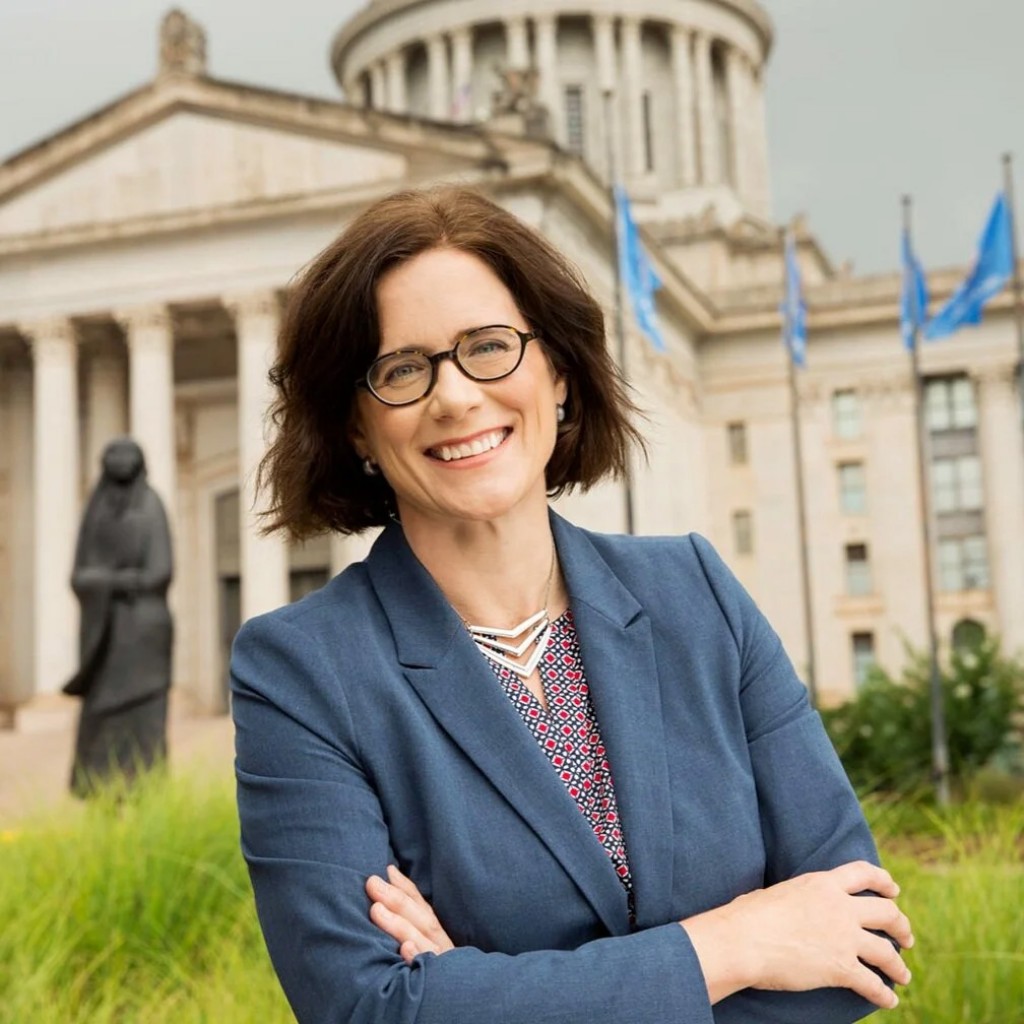
Por la líder demócrata del Senado, Julia Kirt
La sesión legislativa de 2026 ha finalizado oficialmente. Normalmente pasamos hasta mayo, pero todo terminó un poco antes este año. Quiero hablar un poco sobre el resumen que estoy escuchando de mis colegas republicanos y darles una respuesta más amplia sobre lo que falta en sus descripciones de cómo fue la sesión.
Estamos escuchando mucho sobre cómo nuestro trabajo este año ha fortalecido la educación pública, especialmente en lo que respecta a la lectura. Es cierto que nos centramos en la alfabetización con la Ley de Lectores Fuertes. Un gran énfasis fue la retención de los alumnos de tercer curso que no cumplen los objetivos de examen. Me sentí muy orgulloso del trabajo de los demócratas del Senado, especialmente de la senadora Carri Hicks y la senadora Jo Anna Dossett, ambas educadoras profesionales, y de cómo colaboraron con la autora republicana de ese proyecto de ley para asegurarse de que hubiera consideraciones para la educación especial, los estudiantes de inglés y el tipo de intervención temprana que los niños necesitan para no ser frenados innecesariamente.
Pero al mismo tiempo, ese proyecto de ley no abordó algunos de los mayores problemas que consideramos persistentes para nuestras escuelas públicas. En primer lugar, existe la necesidad crítica de profesores experimentados en nuestras aulas. Seguimos viendo un éxodo enorme de profesores. No podemos olvidar que esto lleva ocurriendo un tiempo, pero fue mucho peor por el exsuperintendente estatal Ryan Walters. Estamos terminando el curso escolar cuando él renunció. Empezamos el curso escolar con él aún al mando, seguía causando caos y caos, seguía atacando directamente a los profesores, y ellos estaban cansados y quemados por eso.
También vemos una enorme necesidad de inversión. Oklahoma no ha seguido el ritmo de la inflación. Estamos 1.600 millones de dólares por detrás de la media regional si se observa cuánto gastamos por estudiante. Esto se compara con estados como Arkansas, Texas o Kansas: no estamos al día de lo que gastan los estados cercanos, y tenemos que ser realistas y reconocer que esto afecta a nuestras aulas y a nuestro ranking. Cuando ves una cifra como 1.600 millones de dólares, parece mucho, pero ten en cuenta que eso es lo que hemos recortado en impuestos en los últimos cinco años. Tenemos que ser realistas al decir que los funcionarios electos toman esas decisiones cada día sobre estas prioridades.
Otra gran cosa que no podemos olvidar son los tamaños de las clases. No es una iniciativa glamurosa, pero sabemos que tener menos alumnos en el aula permite a los profesores conocer mejor a esos niños y dedicar más tiempo a ayudar a cada uno, algo que no se puede hacer con aulas saturadas. Sabemos que las clases pequeñas importan.
También quiero señalar que se presupuestan 25 millones más para vales para escuelas privadas, lo que eleva el total de fondos públicos a 275 millones al año para reservar para vales no responsables. Esto va a que la gente envíe a sus hijos a colegios privados, y la mayoría de esos niños ya estaban en colegios privados desde el principio. Además, muchas de esas familias ganan más de 150.000 dólares e incluso más de 250.000 dólares al año. No hay límite para eso, y no recibimos información sobre si esos niños tienen éxito o cómo van esos programas.
Otra gran preocupación educativa es la televisión pública de Oklahoma, OETA. Cada año, extendemos las atardeceres, lo que autoriza a las agencias a seguir realizando el trabajo del estado. La Legislatura dio la aprobación bipartidista para que OETA continuara con su trabajo, pero el gobernador vetó el proyecto de ley. Eso significa que OETA tiene aproximadamente un año para cerrar sus operaciones. Si no aprobamos una prórroga el año que viene, la OETA terminará. Me preocupa profundamente el impacto educativo de eso. Sé lo importantes que son nuestros informes sobre agricultura, y lo importante que es OETA para proporcionar noticias y programas educativos de Oklahoma, así como como red de alerta y comunicaciones de emergencia. Cubren los 77 condados y no existe un sistema alternativo para lo que hacen. Espero que esto sea algo en lo que podamos trabajar. Sin embargo, muchos, muchos de mis colegas republicanos votaron en contra del intento de anular ese veto, y me preocupa profundamente lo que ocurrirá con esta agencia educativa.
El otro gran tema que los republicanos han estado defendiendo es que aprobaron un presupuesto responsable. No sé en qué se basa eso, porque lo que vimos fueron presupuestos planos para los servicios, y esto no satisface las necesidades de nuestro estado. Vemos que aumentan los problemas de salud y salud mental. El cuidado infantil es otro problema enorme. Ya hemos visto cerrar más de 400 centros y estamos perdiendo más plazas cada día. Estas instalaciones han perdido la cantidad de financiación que reciben cada día, además de que estamos reduciendo las familias que pueden elegir. El resultado es que las familias trabajadoras que ahora no ganan un salario digno no pueden permitirse un cuidado infantil, y eso va a limitar quién puede ir a trabajar, lo que limita si pueden ascender, especialmente con los salarios actuales.
Mientras tanto, la Legislatura desvió dinero a Dream Accounts, que estarán esperando a que los niños cumplan 18 años para reflejar una iniciativa federal. Vimos mucho dinero destinándose a fondos opacos o proyectos personales en los propios distritos de la gente; esos fondos podrían usarse para necesidades que hoy no se cubren, y para ahorrarnos costes en el futuro abordando los problemas antes de que empeoren y se vuelvan mucho más caros de abordar.
Espero que en los próximos meses nos de su opinión sobre las cuestiones que os gustaría que se abordaran en el futuro y qué pensaste sobre lo que ocurrió en el Capitolio este año.
ENGLISH:
The Big Picture
By Senate Democratic Leader Julia Kirt
The 2026 legislative session has officially ended. Normally we go through May, but everything ended a little earlier this year. I want to talk a little bit about the recap I’m hearing from my Republican colleagues and give you a bigger picture response to what’s missing in their descriptions of how the session went.
We’re hearing a lot about how our work this year strengthened public education, especially when it comes to reading. It’s true that we focused on literacy with the Strong Readers Act. A big emphasis was retention of third graders who aren’t meeting the testing goals. I was really proud of the work of Senate Democrats, especially Senator Carri Hicks and Senator Jo Anna Dossett, both professional educators, and how they worked with the Republican author of that bill to make sure there were considerations for special education, English language learners, and for the kind of early intervention kids need to make sure they are not held back unnecessarily.
But at the same time, that bill did not address some of the biggest issues we see as ongoing problems for our public schools. First of all, there’s the critical need for experienced teachers in our classrooms. We’ve continued to see a huge exodus of teachers. We can’t forget this has been happening for a while, but it was made much worse by former State Superintendent Ryan Walters. We are just finishing the school year where he resigned. We started the school year with him still at the helm, still creating chaos and havoc, still attacking teachers directly, and they are tired and burned out from that.
We also see a huge need for investment. Oklahoma has not kept up with inflation. We’re $1.6 billion behind the regional average when you look at how much we spend per student. This is compared to states like Arkansas, Texas, Kansas – we’re not keeping up with what surrounding states are spending, and we’ve got to be real and recognize this affects our classrooms and our rankings. When you see a number like $1.6 billion, it seems like a whole lot, but keep in mind, that’s how much we’ve cut in taxes in the last five years. We have to be real about the fact that elected officials make those choices every day on these priorities.
The other big thing we cannot forget is class sizes. It’s not a glamorous initiative, but we know having fewer students in the classroom allows teachers to get to know those kids better and spend more time helping each child – something you can’t do with overcrowded classrooms. We know small class sizes matter.
I also want to point out that $25 million more is budgeted for private school vouchers, bringing the total of public dollars to $275 million a year to be set aside for unaccountable vouchers. This is going to folks to send their kids to private schools, and most of those kids were already in private schools to begin with. Plus, many of those families make over $150,000 and even over $250,000 a year. There’s no cap on that, and we don’t get any information back about whether those kids are successful or how those programs are going.
Another big educational concern is Oklahoma’s public television, OETA. Each year, we extend sunsets, which authorizes agencies to keep doing the work of the state. The Legislature gave bipartisan approval for OETA to continue its work, but the governor vetoed the bill. That means OETA has about one year to wind down operations. If we do not pass an extension next year, OETA will end. I’m deeply concerned about the educational impact of that. I know how important our agriculture reports are, and how important OETA is for providing Oklahoma news and educational programing, and as an emergency alert and communications network. They serve all 77 counties and there is no alternative system for what they do. I hope this is something we can work on. However, many, many of my Republican colleagues voted against the attempt to override that veto, and I am deeply concerned about what will happen to this educational agency.
The other big issue Republicans have been touting is that they passed a responsible budget. I don’t know what that’s based on, because what we saw was mostly flat budgets for services, and this is not meeting the needs of our state. We see health and mental health issues rising. Child care is another tremendous problem. We have already seen more than 400 centers close, and we’re losing more slots daily. These facilities have lost the amount of funding they are receiving every day, plus we’re cutting back which families are eligible. The result is working families who are not making living wages now can’t afford child care, and that’s going to limit who can go to work, which limits whether they can be upwardly mobile, especially with wages as they are.
Meanwhile, the Legislature diverted money into Dream Accounts which are going to be waiting for kids to turn 18 to mirror a federal initiative. We saw a lot of money going to slush funds or pet projects in people’s own districts – those funds could be put to work for needs that are unmet today, and to save us costs down the road by addressing issues before they get worse and become much more expensive to address.
I hope during the coming months you’ll give us your feedback about the things you’d like to see addressed in the future, and what you thought about what happened in the Capitol this year.
If you have any questions or concerns, contact me at 405-521-5636 or Julia.Kirt@oksenate.gov.
Comentar
Los campos obligatorios estan marcados con *
2 Comentarios
-
Blazy
03 June 2026 06:20Login-nya gampang banget, nggak pake ribet. Sekali masuk, langsung disambut tampilan yang bersih dan fitur lengkap. PESTOTO emang tahu cara manjain pemain! situs toto login
-
USA
02 June 2026 22:57Businesses should track the effectiveness of their SMS campaigns. Monitoring response rates and attendance improvements helps refine the strategy. Small business text messaging service

























Comentar con Facebook